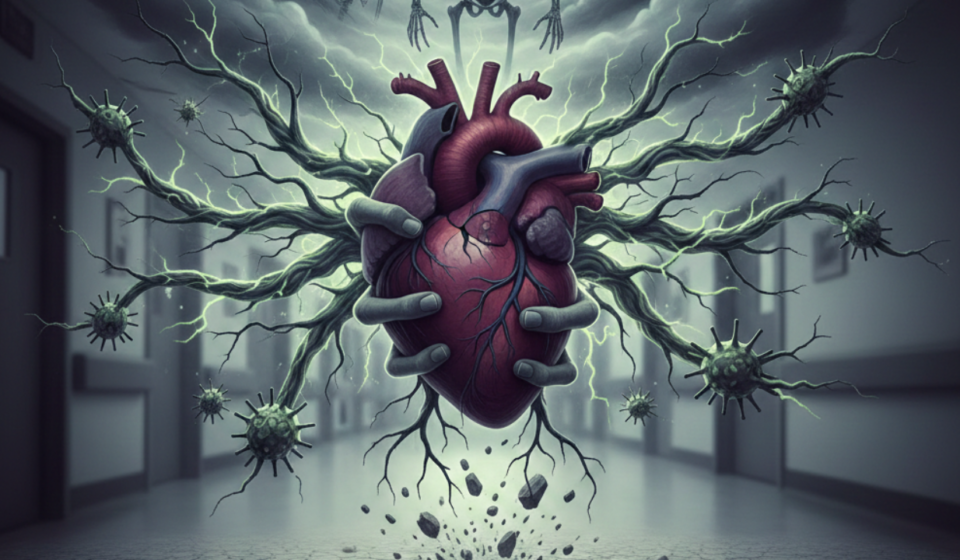
Can Disohozid disease kill you? Understanding the Real Risks and Long-Term Effects
Can Disohozid disease kill you?
It is a scary question, and honestly, a very human one. When someone hears the word “Disohozid disease,” they may imagine losing control of their mind or identity. That fear naturally leads to another thought: can this condition actually kill you? The short answer is no, dissociative disorders are not directly fatal. But the long answer is more complicated, and it matters.
Let’s break this down in a clear and simple way.
Understanding Disohozid disease
What Is Dissociation?
Disohozid disease also called as Dissociative Disorders is like your brain’s emergency escape button. When stress or trauma becomes overwhelming, the mind tries to protect itself by mentally “checking out.” You might feel detached from your body, your surroundings, or even your own identity.
It is similar to zoning out while driving and suddenly realizing you do not remember the last five minutes of the road. The difference is that dissociation can be much stronger and more frequent.
Types of Dissociative Disorders
There are several recognized dissociative disorders.
Dissociative Identity Disorder (DID)
This involves two or more distinct identity states. People may feel like different parts of themselves take control at different times.
Depersonalization-Derealization Disorder
Here, people feel unreal or disconnected from their bodies or their environment, as if watching life through a screen.
Dissociative Amnesia
This includes memory loss related to traumatic or stressful events, sometimes affecting personal identity.
What Causes Dissociative Disorders?
Trauma and Stress
Severe trauma is the most common cause. This can include physical abuse, emotional abuse, sexual abuse, or living through violent or terrifying events.
Childhood Abuse and Neglect
Many people with Disohozid disease experienced trauma during childhood. A child’s brain is still developing, and dissociation becomes a survival tool.
Brain and Psychological Factors
Some people may be more sensitive to stress because of brain chemistry or personality traits. It does not mean they are weak. It means their nervous system reacts differently.
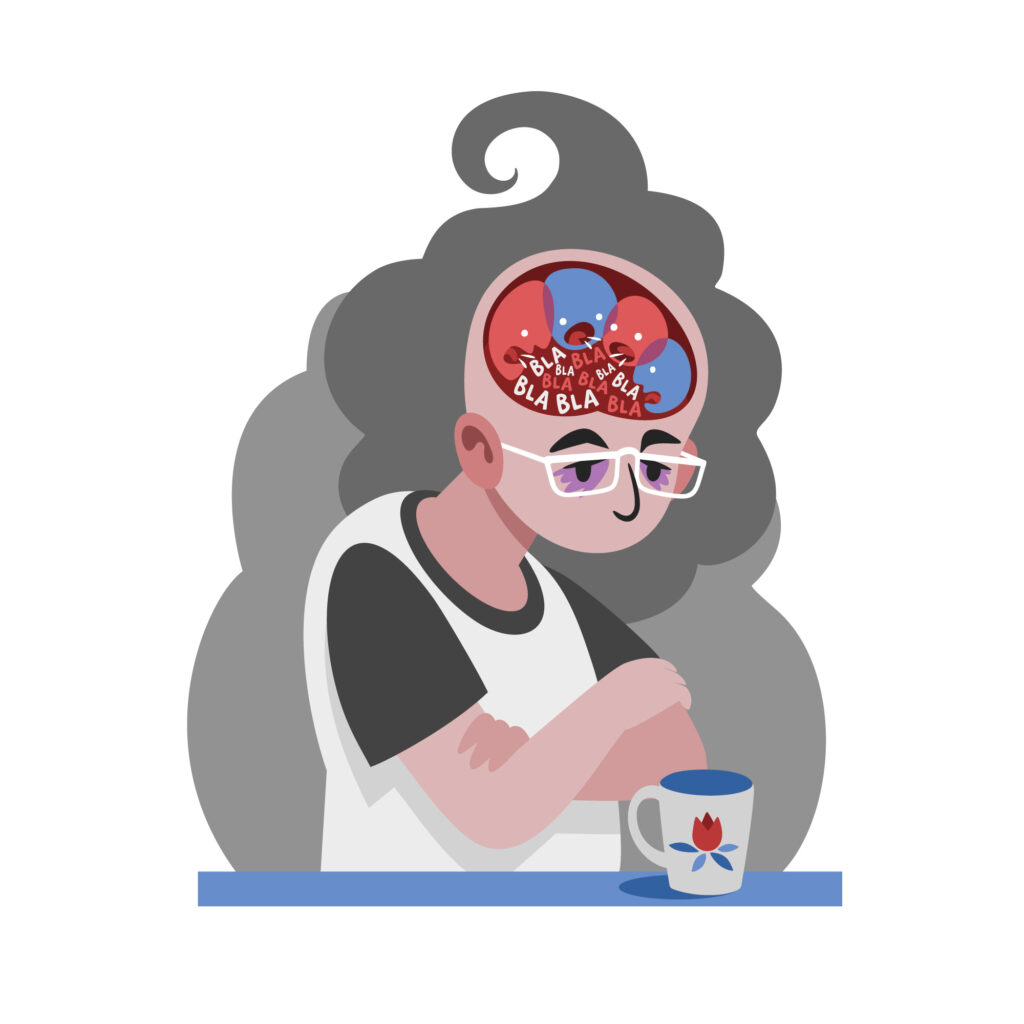
Common Symptoms of Dissociative Disorders
Emotional Symptoms
People may feel numb, empty, or disconnected from emotions. Anxiety and depression are common companions.
Physical and Behavioral Symptoms
Headaches, fatigue, sleep problems, and behavioral changes can occur. Some people appear forgetful or confused.
Memory and Identity Issues
Blackouts, missing time, and feeling like a stranger in your own body are common complaints.
Can Dissociative Disorder Kill You Directly?
Is It a Fatal Disease?
No. Dissociative disorders do not directly stop the heart or damage organs in the way cancer or heart disease does. There is no biological mechanism where dissociation itself causes death.
Difference Between Direct and Indirect Risk
However, indirect risks are where the danger lies. The condition can increase behaviors that may become life-threatening if untreated.
Indirect Ways Dissociative Disorders Can Become Life-Threatening
Risk of Self-Harm and Suicide
Many people with dissociative disorders struggle with overwhelming emotional pain. This raises the risk of self-harm and suicidal thoughts.
Accidents and Dangerous Behavior
Dissociation can impair awareness. Someone might cross a road without noticing traffic or forget important safety steps.
Substance Abuse and Neglect of Health
Some people use alcohol or drugs to cope. Others may forget to eat, sleep, or take medication properly.
Dissociative Disorders and Suicide Risk
Why the Risk Is Higher
Trauma, depression, and feelings of worthlessness often exist alongside dissociative disorders. It is like carrying several heavy bags at once.
Warning Signs to Watch For
Talking about death, giving away belongings, withdrawing from others, and sudden mood changes are serious warning signs.
Physical Health Complications
Sleep Problems and the Immune System
Poor sleep weakens the immune system, increasing the likelihood of illness.
Chronic Pain and Fatigue
Stress-related pain and exhaustion can become long-term problems.
Eating Disorders and Malnutrition
Some people lose interest in food or develop unhealthy eating habits, leading to weakness and nutrient deficiencies.
How Dissociative Disorders Are Diagnosed
Psychological Evaluation
Mental health professionals use interviews and assessments to understand symptoms and history.
Ruling Out Other Conditions
Doctors may check for neurological problems or substance use to ensure symptoms are not caused by something else.
Treatment Options
Psychotherapy
Talk therapy, especially trauma-focused therapy, is the main treatment. It helps people process painful memories safely.
Medications
There is no single pill for dissociation, but antidepressants or anxiety medication may help related symptoms.
Lifestyle and Support Systems
Regular sleep, healthy food, exercise, and supportive relationships make a big difference.
Can Treatment Reduce the Risk of Death?
Importance of Early Intervention
The earlier treatment starts, the better the outcome. Emotional pain becomes easier to manage, and risky behaviors decrease.
Long-Term Outlook
Many people live full lives with proper care. Symptoms may not vanish overnight, but they can become manageable.
Living with a Dissociative Disorder
Daily Coping Strategies
Grounding techniques, journaling, breathing exercises, and routine schedules help keep the mind anchored in reality.
Building a Support Network
Trusted friends, family, or support groups can be lifesavers in difficult moments.
Myths and Misunderstandings
Media vs Reality
Movies often portray dissociation as violent or dangerous. In real life, most people with dissociative disorders are more likely to hurt themselves than others.
Stigma Around Mental Health
Stigma keeps people silent. Silence delays help. And delay increases risk.
When to Seek Immediate Help
Emergency Symptoms
If someone talks about wanting to die, plans self-harm, or seems detached from reality, emergency help is needed.
How to Help Someone Else
Listen without judgment. Encourage professional support. Stay present.
Prevention and Risk Reduction
Trauma-Informed Care
Understanding trauma instead of blaming behavior reduces suffering.
Stress Management Techniques
Mindfulness, therapy, and healthy routines reduce the frequency of dissociation.
Final Thoughts
So, can dissociative disorder kill you? Not directly. But untreated, it can increase the risk of dangerous behaviors, poor health, and suicide. The real danger is not the disorder itself, but the pain and isolation that often come with it.
With proper care, support, and treatment, most people can live safely and meaningfully. The key is not ignoring the symptoms and not facing them alone.
FAQs
1. Can dissociative disorder cause sudden death?
No, it does not directly cause sudden death, but related risks like self-harm or accidents can be dangerous.
2. Is dissociative identity disorder more dangerous than other types?
It may carry higher emotional distress, but danger depends on symptoms and support, not the label.
3. Can children die from dissociative disorders?
The disorder itself is not fatal, but untreated trauma can lead to risky behaviors later in life.
4. Can medication cure dissociative disorders?
There is no cure, but medication can help manage anxiety or depression alongside therapy.
5. Is recovery possible?
Yes. Many people improve significantly with consistent treatment and support.
Also Read: Jerry Harris: Rise, Fame, and the Fall of a Netflix Star


Leave a Reply
You must be logged in to post a comment.
[…] Also Read: Can Disohozid disease kill you? Understanding the Real Risks and Long-Term Effects […]
[…] its severity, you are likely feeling a mix of concern and confusion. When the question “Can Disohozid Disease kill you?” arises, the answer requires a deep dive into medical literature, diagnostic accuracy, and […]